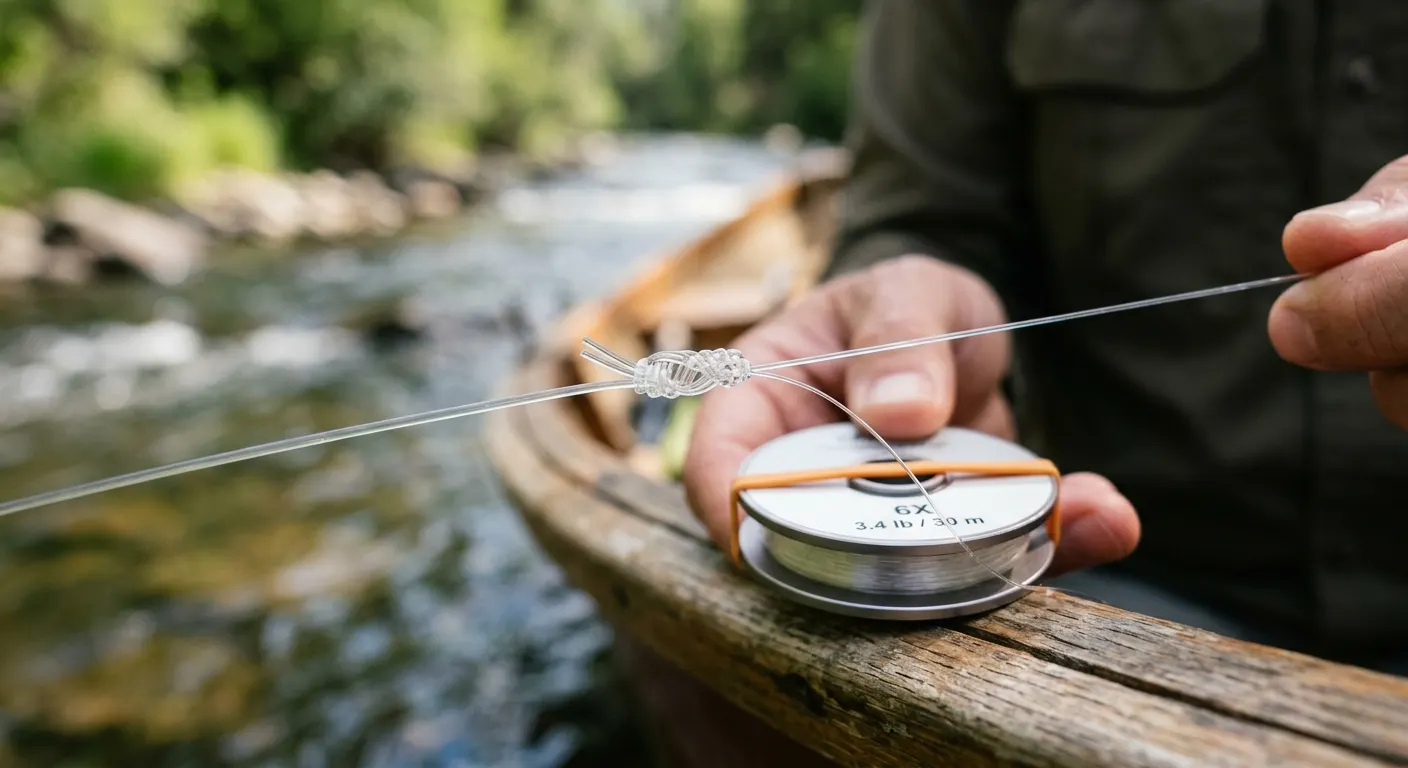
Building a Leader: Nail Knot, Blood Knot, and Where Tippet Actually Starts
By RiffleDge . 9 min read . Updated September 2026
A finished fly leader looks like one continuous taper, but it is built from several knots joining several materials, and most anglers never learn where one piece ends and the next begins. This guide walks through the nail knot that anchors a leader to the fly line, the blood knot and surgeon's knot that join tippet sections of different diameter, and the point at which the tapered leader stops and the tippet you actually replace every trip starts. Every knot recommendation below names its source rather than asserting a strength number nobody tested.
Quick answer
A fly leader is the tapered section connecting your fly line to the fly, and tippet is the level material tied to its thin end. Build it with a nail knot to the fly line, blood knots joining RIO Powerflex Plus Tippet sections down in diameter, and a final tippet added with a blood or surgeon's knot.
This guide contains affiliate links. RiffleDge may earn a commission at no cost to you.
Where does a leader end and tippet actually begin?
A leader is the full tapered section running from the fly line to the fly, typically 9 to 12 feet, built thick at the butt for turnover and thin at the tip for a delicate presentation. Tippet is the level-diameter material added to that thin tip, most commonly from a spool like RIO Powerflex Tippet (Standard 30-yard Spool), so you can change flies repeatedly without shortening the leader's taper itself.
In practice the tippet starts wherever the last one to two feet of level material begins, right before the fly. Everything above that, the tapering section, is the leader proper. When that level section wears down to a few inches from break-offs and re-tying, it is time to add fresh tippet rather than cut back into the taper.
How do you attach the leader to the fly line?
RIO's published leader and knot guide recommends a nail knot or a needle knot to permanently attach a leader butt directly to the fly line coating, or a loop-to-loop connection when the fly line already carries a welded loop, which is now the more common setup on most modern lines.
A nail knot ties the leader butt material directly around the fly line using a small tube or nail as a guide, then seats tight when pulled and trimmed. Trim the tag end close with a Dr. Slick Cyclone Nipper so it does not catch guides on the cast or collect moss in the water.

Dr. Slick Cyclone Nipper
A precision fly fishing nipper with a ceramic cutting edge that stays sharp far longer than stainless steel, plus a hook eye cleaning needle built into the handle for clearing varnish from small hooks.
How do you join tippet sections with a blood knot?
RIO's knot guide recommends the blood knot for joining two sections of monofilament that are close in diameter, since it lies straight in line rather than off to one side, which matters for a drag-free drift on a dry fly presentation. Wrap each tag end around the standing line 5 to 7 times before passing them back through the center gap and cinching down.
This is the knot most anglers use to step a leader down in diameter, section by section, or to splice a fresh length of RIO Powerflex Plus Tippet onto a leader that has gotten short from repeated re-tying.

RIO Powerflex Plus Tippet
The most widely recommended nylon monofilament tippet in fly fishing, offering consistent diameter, reliable knot strength, and enough stretch to cushion the hook set on light tippets.
When should you use a surgeon's knot instead?
RIO's knot guide recommends the surgeon's knot over the blood knot when joining materials of noticeably different diameter or different types, such as switching from RIO Powerflex Plus Tippet nylon to RIO Fluoroflex Plus Tippet fluorocarbon, since it grips mismatched diameters more reliably and ties faster streamside with cold hands.
To tie it, overlap the two tag ends by several inches, treat them as a single doubled line, and pass the pair through a loop two or three times before pulling both strands to cinch. Anglers rebuilding tippet from a bulk spool like Seaguar InvizX Fluorocarbon Tippet onto a standard leader taper generally reach for the surgeon's knot for this same mismatched-diameter reason.
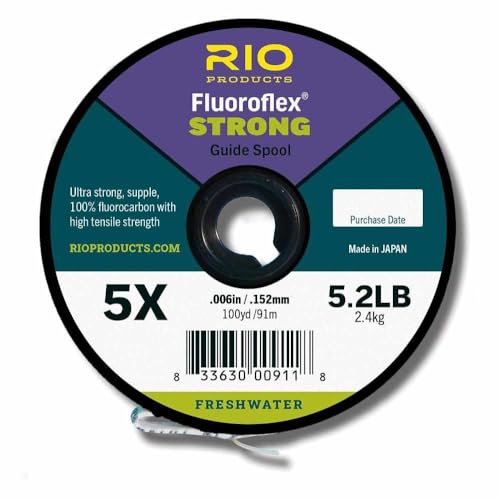
RIO Fluoroflex Plus Tippet
A high-performance 100 percent fluorocarbon tippet from RIO with low visibility underwater and high knot strength for subsurface nymph and streamer applications.
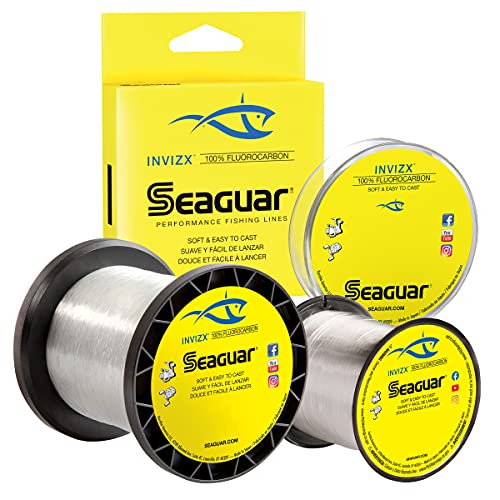
Seaguar InvizX Fluorocarbon Tippet
A budget-friendly 100 percent fluorocarbon used by savvy anglers as a high-value tippet alternative, delivering 200 yards per spool for roughly $22 compared to fly-shop pricing for 25 yards.
How do you size the tippet once it is tied on?
RIO's published tippet size chart lists standard X-ratings by diameter, for example 6X at roughly .005 inches and 4X at roughly .007 inches, and the common rule is to divide your fly's hook size by three to land on the right X-rating for that pattern.
Buy tippet in the sizes that chart points to rather than guessing. The RIO Powerflex Tippet (Standard 30-yard Spool) spool covers casual use across the common sizes, while the RIO Powerflex Tippet Guide Spool (110-yard) 110-yard option is the better per-yard value for anglers rebuilding leaders and re-tying tippet on most trips out.

RIO Powerflex Tippet (Standard 30-yard Spool)
The standard 30-yard spool of RIO Powerflex nylon monofilament, the everyday choice for anglers who buy tippet by the spool and rotate sizes frequently during a day on the water.

RIO Powerflex Tippet Guide Spool (110-yard)
A 110-yard guide spool of RIO Powerflex nylon monofilament, the bulk option for frequent anglers who go through multiple 30-yard spools per season and want better per-yard value.
What tools make tying leader knots easier on the water?
A Fishpond Headgate Tippet Holder loaded with your own RIO Powerflex spools from 2X through 6X keeps every size you might need for a blood knot or surgeon's knot junction on hand at once, rather than digging through a vest pocket while a hatch is happening.
Keep a Dr. Slick Cyclone Nipper on a Loon Outdoors Rogue Zinger retractor so trimming tag ends after every knot takes a pull and a snip rather than a search through pockets. If you are finishing a nymph rig after building the leader, a Thingamabobber Strike Indicator or the lower-profile Oros Strike Indicators attaches to the finished tippet section to complete the setup.
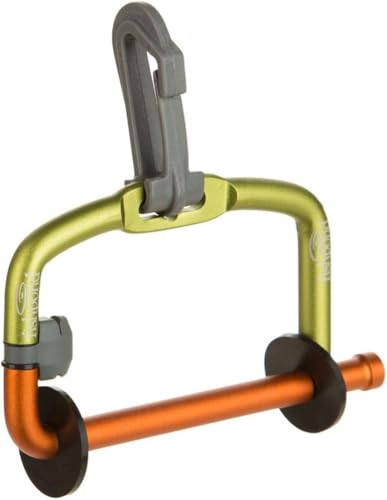
Fishpond Headgate Tippet Holder
A tippet holder and dispenser from Fishpond that clips to a vest, pack, or wading belt and holds up to five spools of tippet in one place. The holder ships empty; pair it with your own 2X to 6X spool lineup, such as RIO Powerflex, to build a complete tippet station.
Dr. Slick Cyclone Nipper
A precision fly fishing nipper with a ceramic cutting edge that stays sharp far longer than stainless steel, plus a hook eye cleaning needle built into the handle for clearing varnish from small hooks.

Loon Outdoors Rogue Zinger
A heavy-duty zinger retractor with a 22-inch steel cable and an S-Biner attachment for attaching nippers, hemostats, or a hook sharpener to a vest or pack with instant pull-and-release access.
Featured in this guide
RIO Powerflex Plus Tippet
The most widely recommended nylon monofilament tippet in fly fishing, offering consistent diameter, reliable knot strength, and enough stretch to cushion the hook set on light tippets.
RIO Powerflex Tippet (Standard 30-yard Spool)
The standard 30-yard spool of RIO Powerflex nylon monofilament, the everyday choice for anglers who buy tippet by the spool and rotate sizes frequently during a day on the water.
RIO Fluoroflex Plus Tippet
A high-performance 100 percent fluorocarbon tippet from RIO with low visibility underwater and high knot strength for subsurface nymph and streamer applications.
Seaguar InvizX Fluorocarbon Tippet
A budget-friendly 100 percent fluorocarbon used by savvy anglers as a high-value tippet alternative, delivering 200 yards per spool for roughly $22 compared to fly-shop pricing for 25 yards.
RIO Powerflex Tippet Guide Spool (110-yard)
A 110-yard guide spool of RIO Powerflex nylon monofilament, the bulk option for frequent anglers who go through multiple 30-yard spools per season and want better per-yard value.
Dr. Slick Cyclone Nipper
A precision fly fishing nipper with a ceramic cutting edge that stays sharp far longer than stainless steel, plus a hook eye cleaning needle built into the handle for clearing varnish from small hooks.
Loon Outdoors Rogue Zinger
A heavy-duty zinger retractor with a 22-inch steel cable and an S-Biner attachment for attaching nippers, hemostats, or a hook sharpener to a vest or pack with instant pull-and-release access.
Fishpond Headgate Tippet Holder
A tippet holder and dispenser from Fishpond that clips to a vest, pack, or wading belt and holds up to five spools of tippet in one place. The holder ships empty; pair it with your own 2X to 6X spool lineup, such as RIO Powerflex, to build a complete tippet station.
Keep reading
Related comparisons
Related roundups
FAQ
Frequently asked questions
What knot connects a leader to the fly line?+
RIO's published leader and knot guide recommends a nail knot or needle knot for a permanent connection directly to the fly line coating, or a loop-to-loop connection if the fly line already has a welded loop, which most modern fly lines do. The loop-to-loop method also makes swapping leaders in the field much faster than retying a nail knot.
Blood knot or surgeon's knot: which should I use?+
RIO's knot guide recommends the blood knot when joining two tippet sections that are close in diameter, since it lies straight in line for a cleaner drift. The surgeon's knot is the better choice when diameters differ more, such as joining nylon to fluorocarbon, since it grips mismatched materials more reliably and ties faster in cold conditions.
Where does the leader end and the tippet begin?+
The leader is the full tapered section from the fly line to the fly. The tippet is the level-diameter material added to the leader's thin tip, usually the last one to two feet before the fly. As that tippet section shortens from re-tying flies, you add fresh tippet rather than cutting into the leader's taper.
What tippet diameter should I use for a given fly size?+
RIO's tippet size chart lists 6X at roughly .005 inches and 4X at roughly .007 inches, and the standard rule is to divide the fly's hook size by three to land on the right X-rating. A size 18 fly points to about 6X, while a size 12 points to about 4X.
How many times should I wrap a blood knot?+
RIO's knot guide recommends 5 to 7 wraps per side for standard trout tippet diameters, with fewer wraps for heavier material and more for very fine tippet, since too few wraps slips and too many can weaken thin diameters. Lubricate the knot with saliva or water before cinching to prevent friction damage to the line.